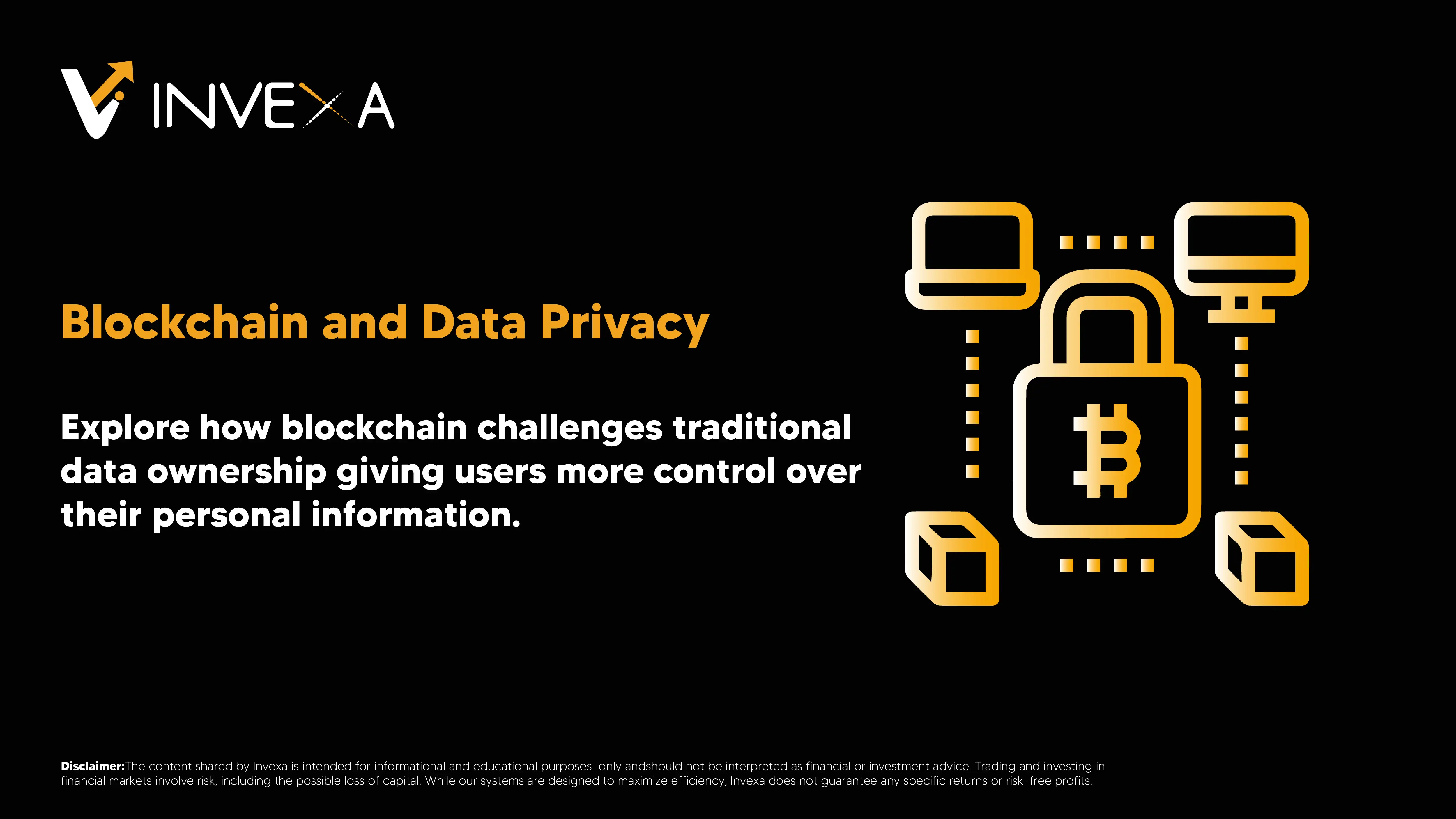
Discover how blockchain can reshape data privacy by giving you control over your personal information. Learn how it improves ownership transparency and security while addressing challenges in a digital world where data is as valuable as money.
In today’s world data is everywhere. Every time you use social media shop online or even browse the web you leave behind digital footprints. Companies collect this information analyze it and sometimes even sell it. But this raises a big question: who actually owns your data you or the companies that gather it?
This is where blockchain comes into the conversation. Many people see blockchain as a way to give individuals more control over their personal information. Let’s explore how it works and what it could mean for data privacy.
Right now most of our personal information is stored in centralized databases owned by companies banks or governments. For example:
The issue is that you don’t really control how this data is used once it’s collected. It’s often stored on servers you have no access to and in many cases companies profit from your information. Even worse centralized systems are vulnerable to hacks and leaks putting your private data at risk.
Blockchain works differently because it’s decentralized. Instead of storing information in one place (like a company server) data is spread across many computers in a network. This makes it harder for hackers to compromise and also shifts control closer to the individual.
Here’s how blockchain can help with data privacy:
With blockchain you can decide who gets access to your data and for how long. For example instead of giving a company your personal information permanently you could share it temporarily through a blockchain system. Once the purpose is complete access could automatically expire.
Blockchain is built on transparency. Every action such as when your data is accessed or shared can be recorded on the blockchain. This means you always know who is using your information and why.
Because data is encrypted and distributed across the network it’s much harder for hackers to steal it. Even if one node is compromised the rest of the system remains secure.
One of the most exciting uses of blockchain is decentralized identity. Instead of relying on companies like Google or Facebook to log in to apps and services you could use a blockchain based digital ID that you fully control. This reduces the need to hand over personal details to third parties.
Blockchain isn’t a perfect solution and there are still challenges to figure out:
We live in a digital age where data is as valuable as money. Right now most of that value is in the hands of corporations. Blockchain has the potential to flip that balance and give individuals more control over their information.
While it won’t happen overnight the rise of decentralized systems points toward a future where you not big tech companies decide how your personal information is used.
Blockchain and data privacy go hand in hand. It offers a new way of thinking about ownership control and security of personal information. While there are challenges to overcome the promise is clear: a future where your data truly belongs to you.