
A simple guide to real examples of blockchain in everyday life. From payments and supply chains to identity, data security, gaming and investments, here is how blockchain is already part of your routine.
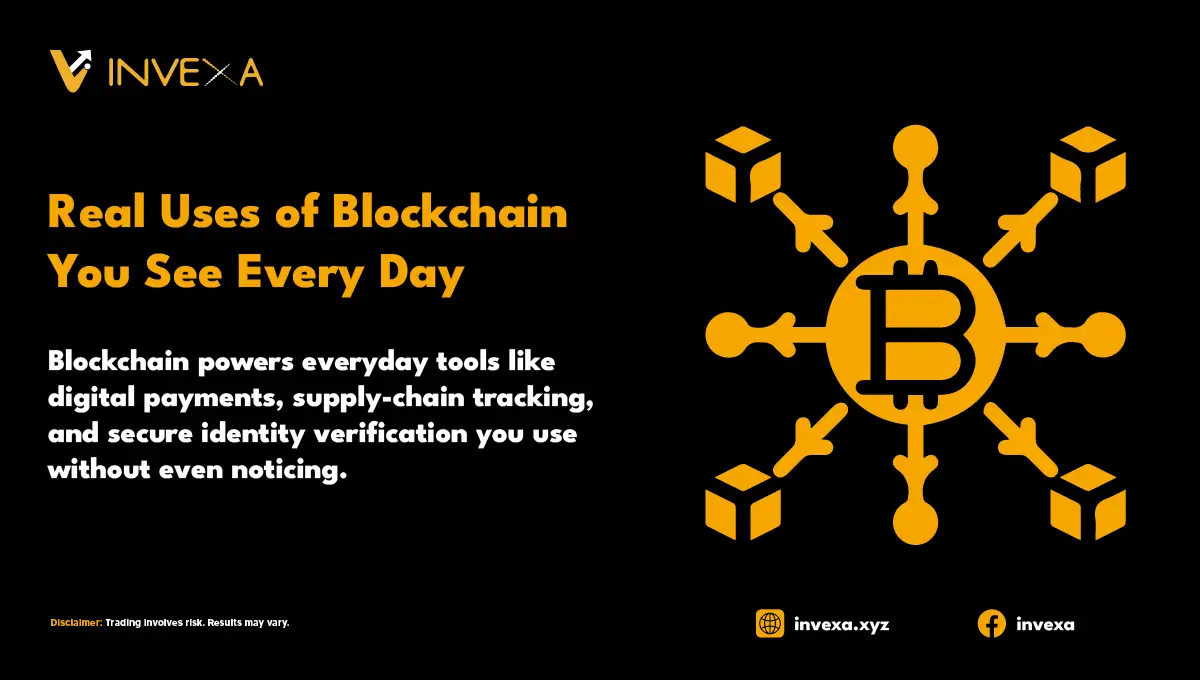
Blockchain is often described as a complex technology behind cryptocurrency, but the reality is much simpler. You interact with blockchain-powered tools more often than you think. Many businesses, apps and financial platforms use blockchain quietly in the background to keep data secure, speed up transactions and make records reliable.
This article breaks down the most common everyday uses of blockchain and shows how they fit naturally into the way people already bank, shop, communicate and earn online. You can also explore how platforms like Invexa apply similar secure technologies while offering easy online earning, clear documentation and verified certifications.
Fast and low-cost transfers are one of the most visible blockchain use cases. When you send money through modern fintech apps or international wallets, there is a good chance blockchain supports settlement behind the scenes.
Blockchain helps reduce errors and delays because transactions settle on a shared ledger instead of passing through several intermediaries. That consistency is why more businesses are adopting blockchain-powered payments for daily operations.
Many platforms use blockchain-supported identity systems without directly advertising it. Blockchain makes identity checks more secure because verified data cannot be altered and can be reused safely across services.
This improves onboarding for digital banking, investment platforms and earning apps. For example, when users sign up at Invexa, identity and verification data follow a strict secured process supported by modern ledger-based practices.
Everyday products clothing, food, electronics often pass through dozens of checkpoints before reaching customers. Retailers use blockchain to record each step so the final buyer can trust authenticity and quality.
You interact with blockchain when you scan QR codes showing product origins or when brands highlight transparent sourcing. Blockchain makes these claims verifiable instead of marketing statements.
Blockchain plays an important role in securing digital records. Businesses use it to store logs, certificate records and compliance documents. Because blockchain records cannot be quietly changed, it gives users more confidence in platforms that handle money or sensitive data.
Invexa follows a similar transparency-first approach by publishing its compliance certifications openly:
FCA Certificate,
AUSTRAC Certificate,
FINTRAC Certificate
Many gaming platforms now use blockchain to manage in-game assets, reward points and digital collectibles. This gives players real ownership and prevents duplication or fraud.
The same idea appears in online earning apps. Transparent rewards, verifiable point histories and automatic distribution systems often rely on blockchain-like logic even when users don’t notice the technology behind it.
Smart contracts are a type of blockchain program that runs when conditions are met. They are used heavily in business operations today.
Platforms that offer task-based earnings or referral rewards often use the same idea. For example, Invexa gives:
When your balance reaches 500 points, the system converts it into dollars automatically.
More details are available in the official documentation:
User Levels,
Earning by User Levels,
Withdrawal Rules
Many investment dashboards use blockchain based data feeds to verify transactions and store audit logs. Users benefit even if they never interact with the underlying network directly.
This is one of the reasons blockchain continues to appear in financial platforms. It keeps records accurate for deposits, withdrawals and income history, which reduces disputes and improves transparency.
Most users never see blockchain directly because the best applications hide complexity. What you see are the benefits:
These strengths explain why financial platforms like Invexa rely on secure, traceable systems to manage earning logic, rewards, withdrawals and user identity.
No. Most real uses today support banking, logistics, identity and everyday apps.
It prevents unauthorized data changes and makes records auditable.
No. Most platforms use blockchain in the background without requiring users to understand it.
Invexa uses modern ledger driven processes to keep records transparent, which supports secure earning, user levels, and reward automation. You can explore details through authentication pages: Login | Register
Blockchain is already part of your daily life, even if you never interact with it directly. Payments, verification, product tracking and online earning systems all benefit from secure, traceable and tamper-proof records. As adoption grows, more apps and platforms will rely on blockchain-backed systems to keep things fast, fair and transparent for users.